
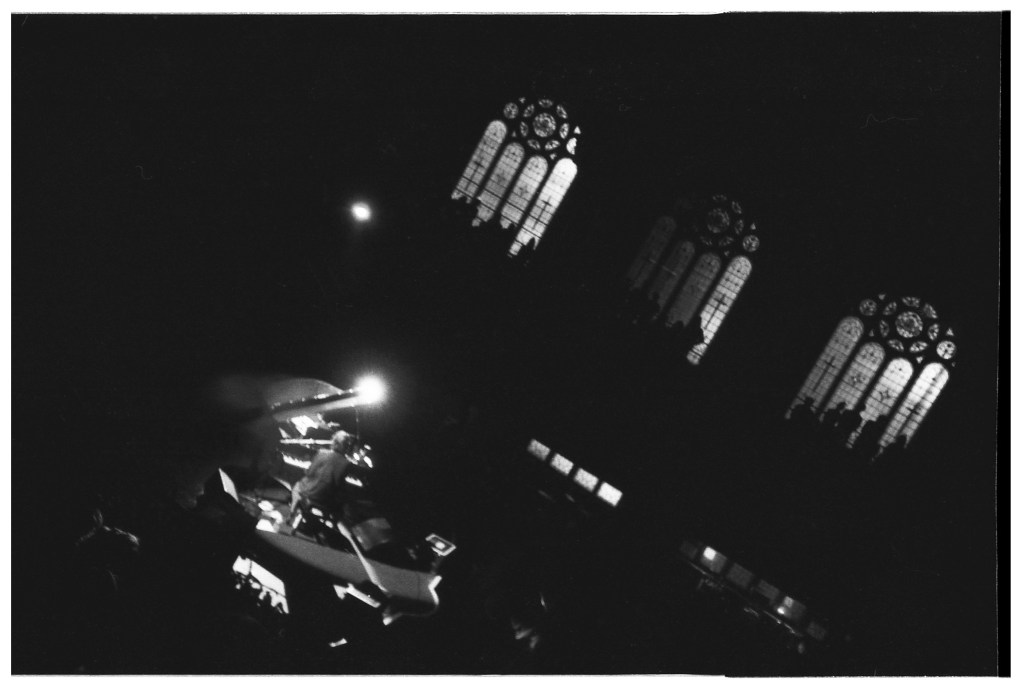


Tenth and final Auto-Focus zine. 100 pages of black and white photos snapped around Greater Manchester from 2021 to 2025.
Available via Central Library, Rare Mags, Unitom, Open Eye Gallery, BOOKS in Peckham and the newly formulated World Force Artifacts virtual shop.
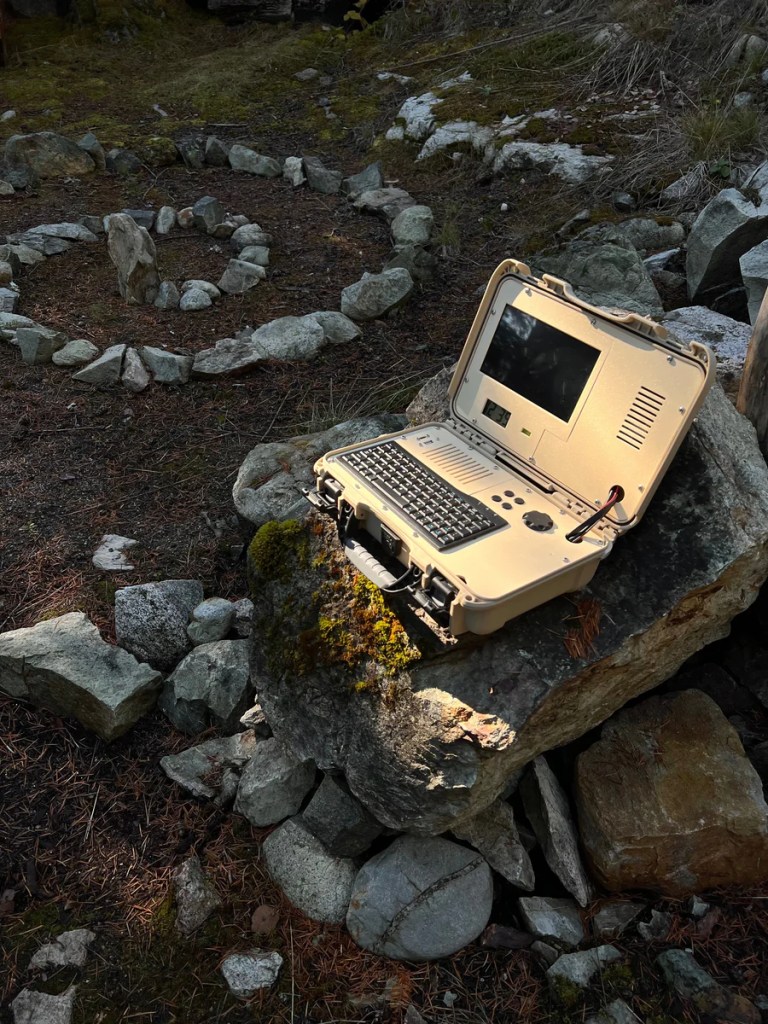
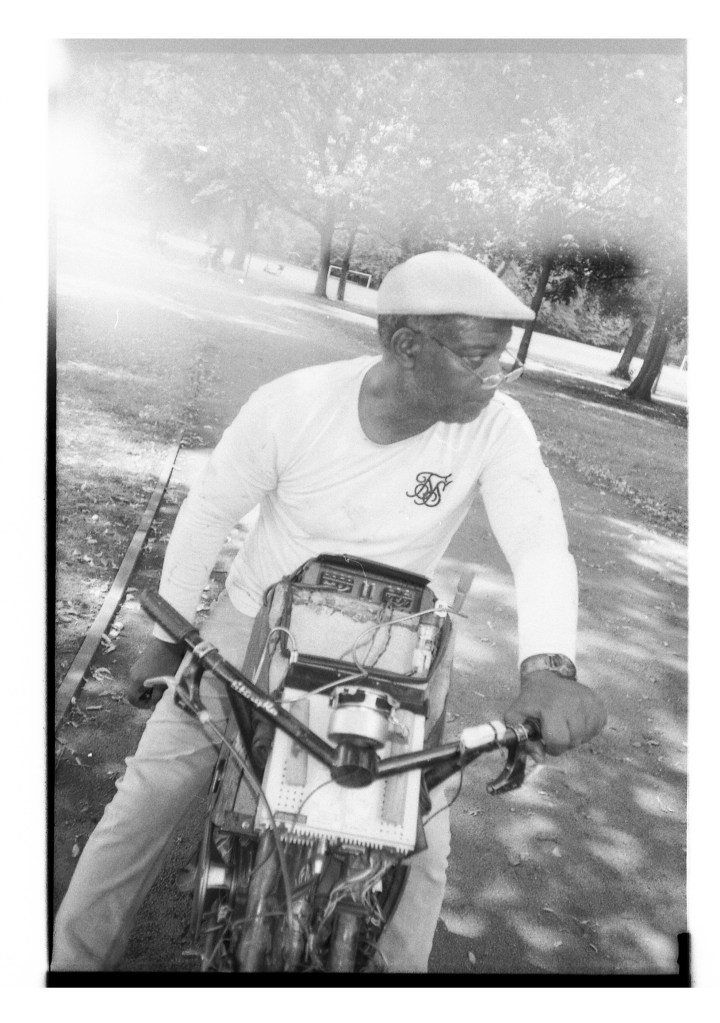
From hard-shelled portable computers to a fully-usable typeface created from photos taken while walking in the woods, the work of Katarina ‘Kash’ Lingat is proof that technology and ‘the outdoors’ can work together in something bordering on harmony.
Merging old-school craft with modern tools, she combines a ‘90s open-source mindset with the DIY attitude of the Whole Earth Catalog to make clever solutions to the problems around her—whether she’s 3D printing a long-range messaging device or collecting scrap wood for a long-reach apple grabber.
At a time when planned obsolescence looms large and the strangle-hold of Big Tech™ seems firmer than ever, her home-brewed creations show that with a bit of trial and error, you can actually make pretty much whatever you want.
In this in-depth interview we talked about outdoor computing, log-cabin creation and the joy of failure…
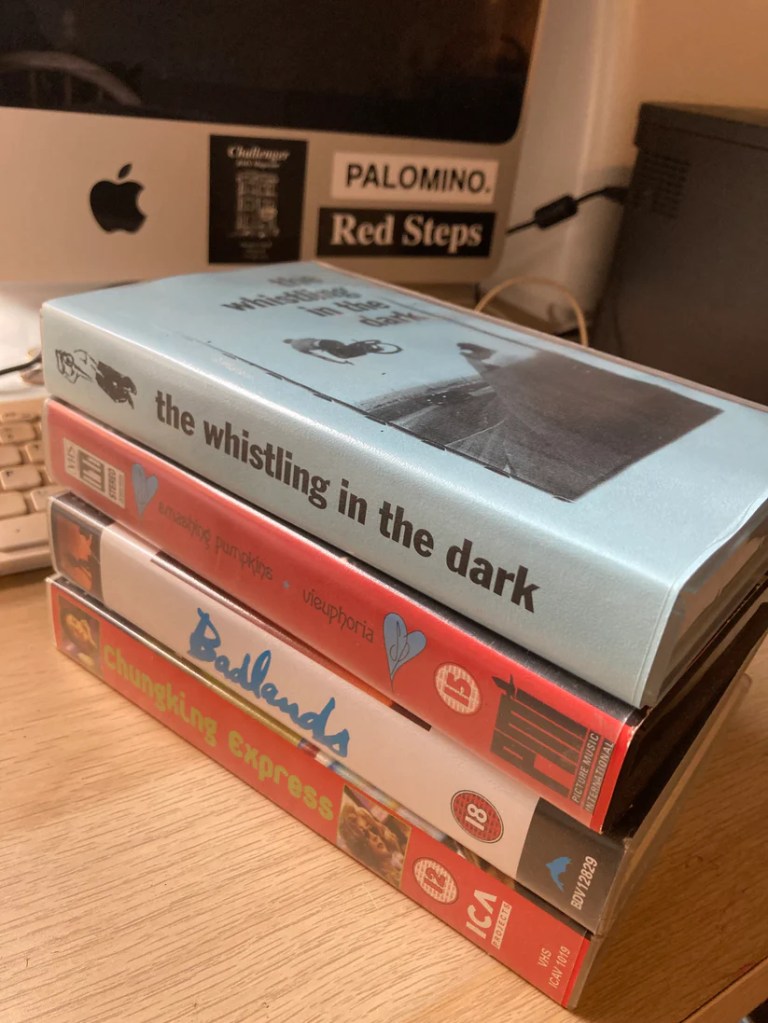
Made a handful of bootleg VHS copies of The Whistling in the Dark. Filmed on Super 8, scanned onto the computer, encoded onto DVD and finally copied onto tape. Completely pointless exercise but I wanted to see what it looked like.

Required viewing for anyone who grew up in the early 00s.
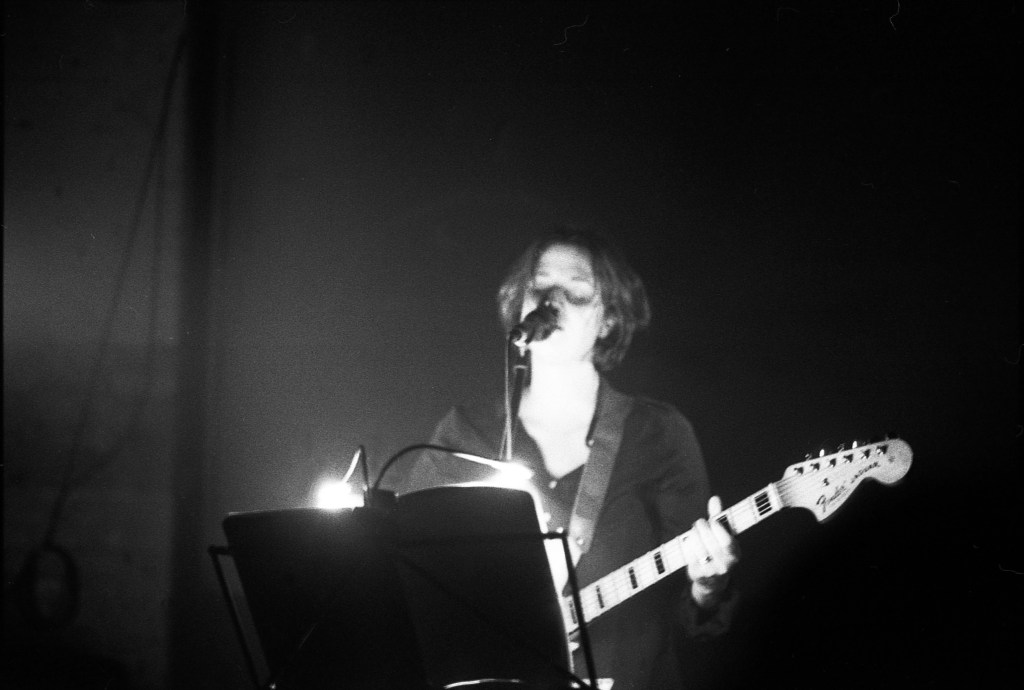


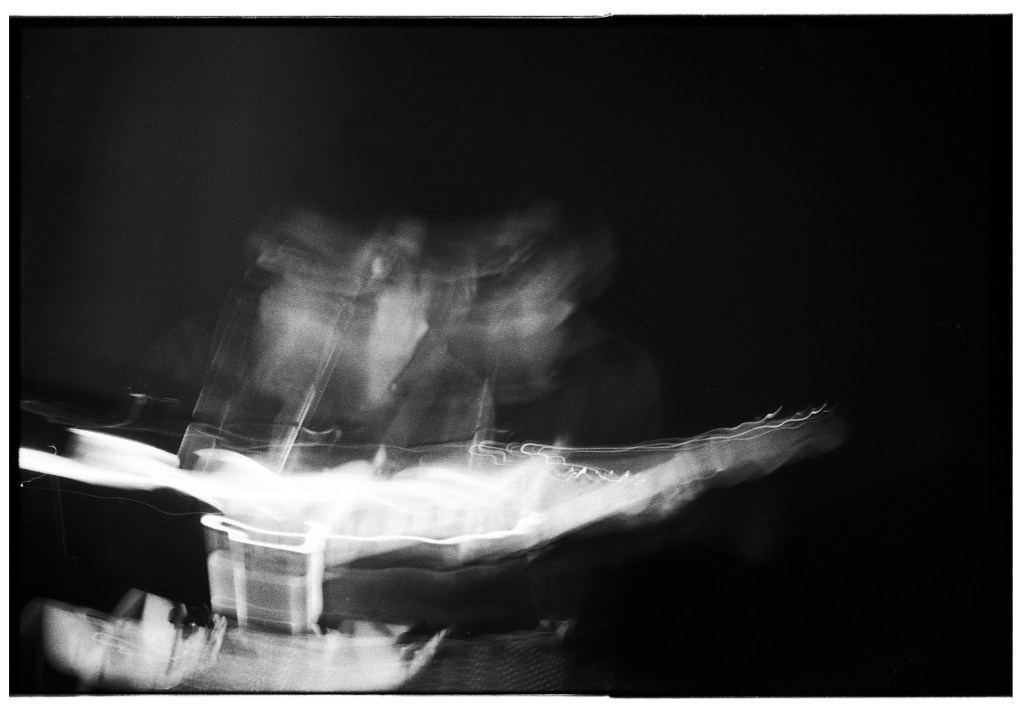


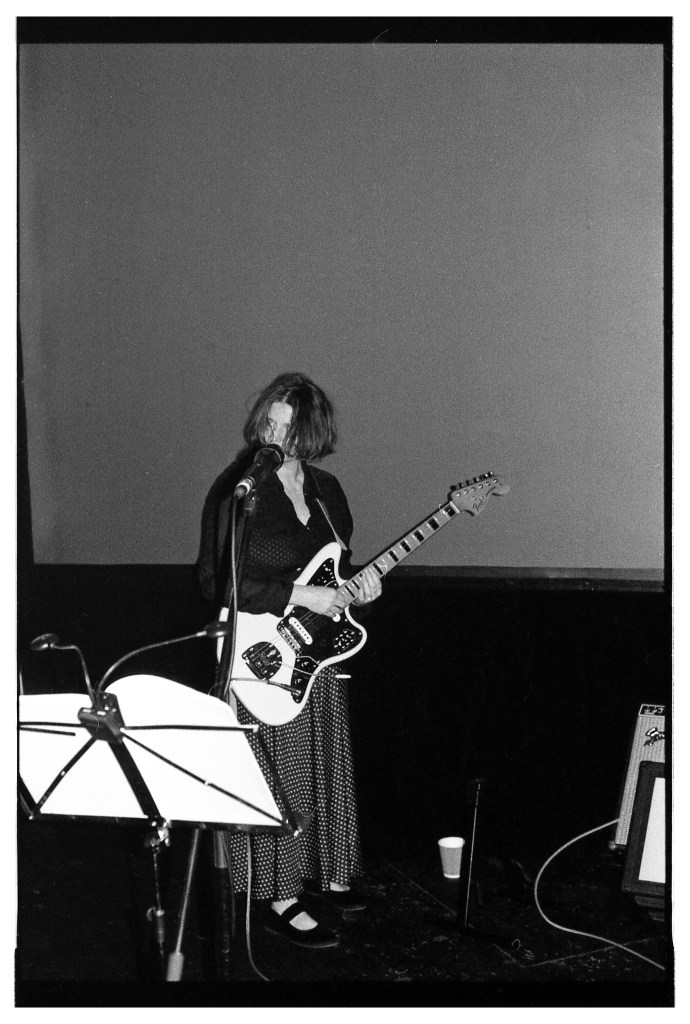


A freewheeling masterclass from Joanne Robertson at an old MOT garage in Salford.

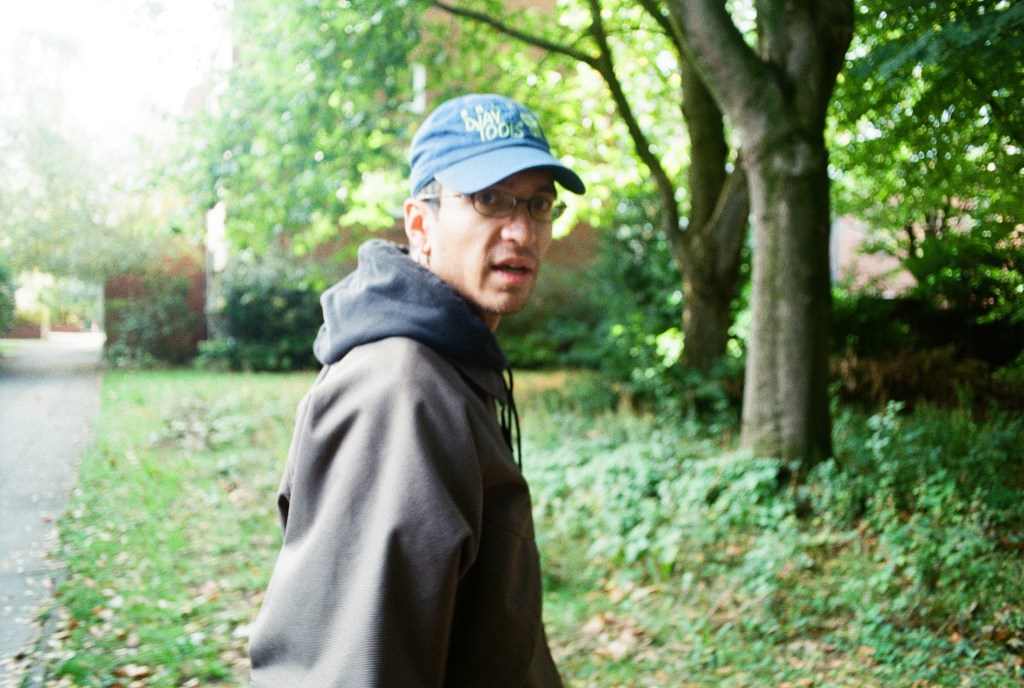
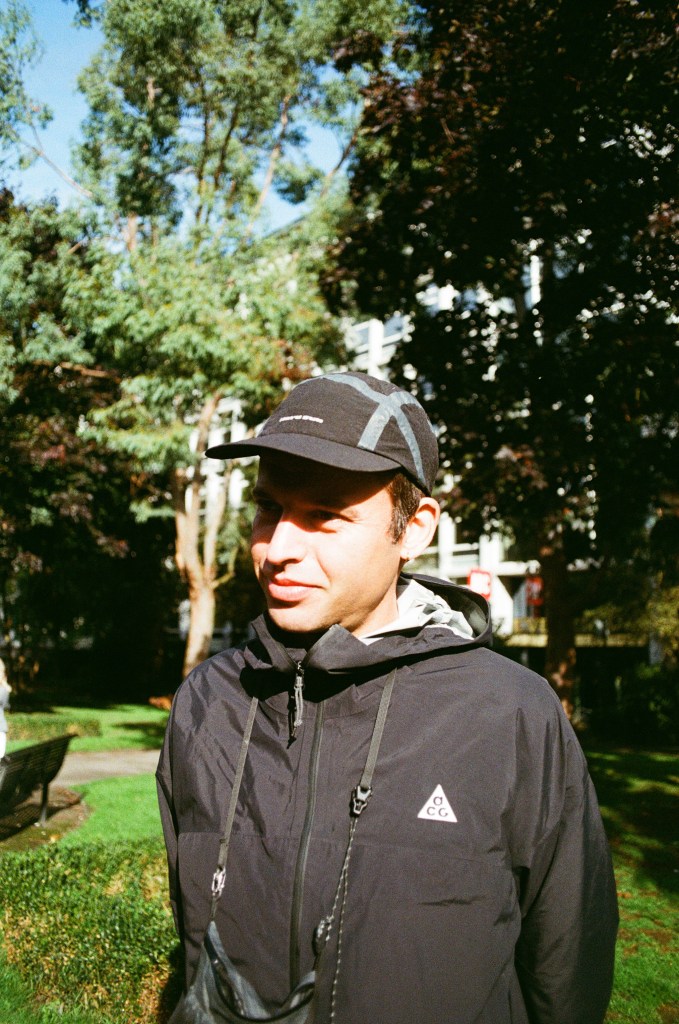
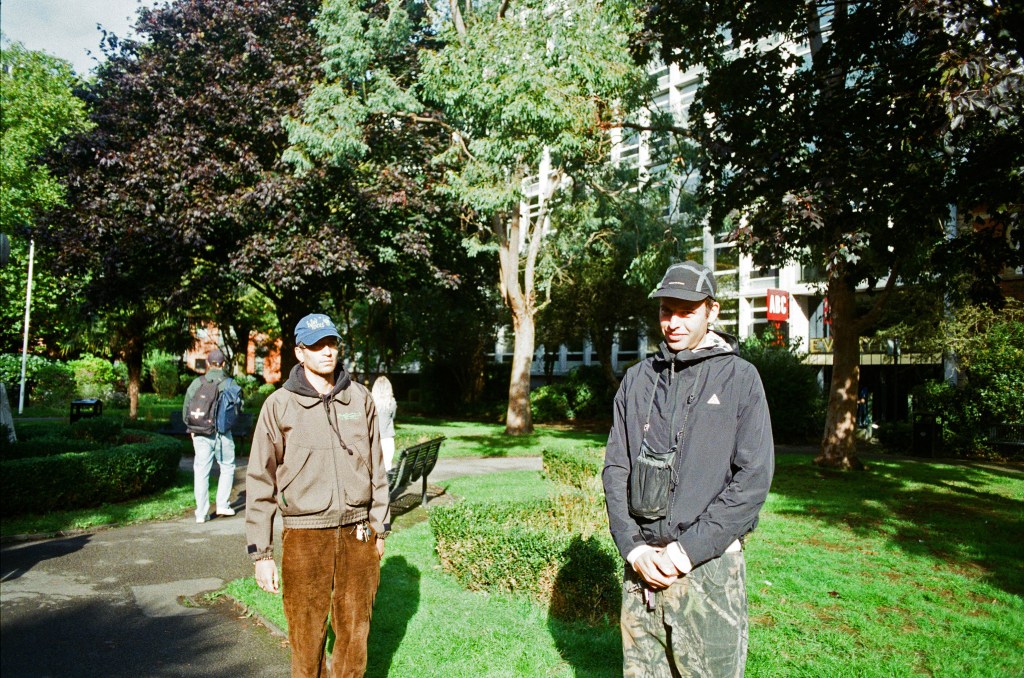
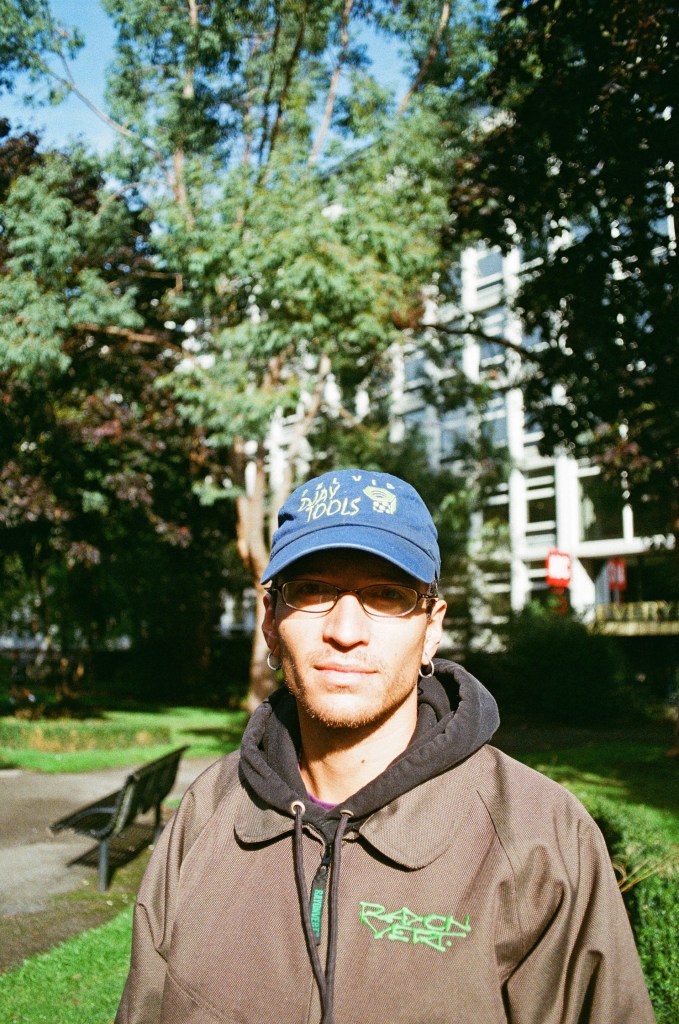
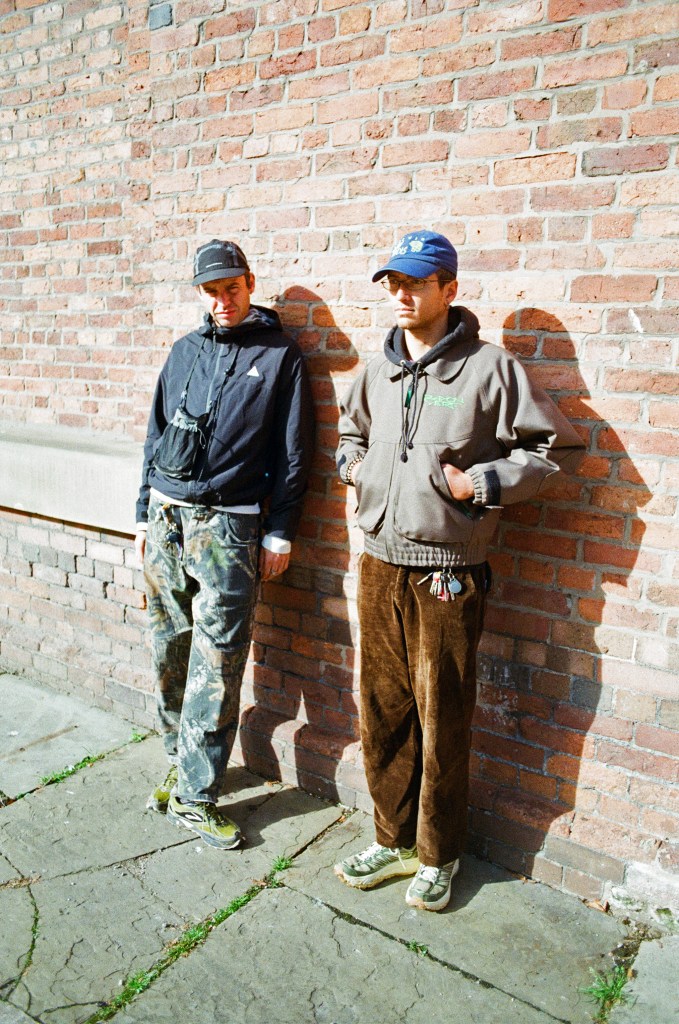
Spent a couple of hours walking around Manchester with Andrea and Yuri from left-field outdoor brand Rayon Vert. Full interview over on the Outsiders site now.

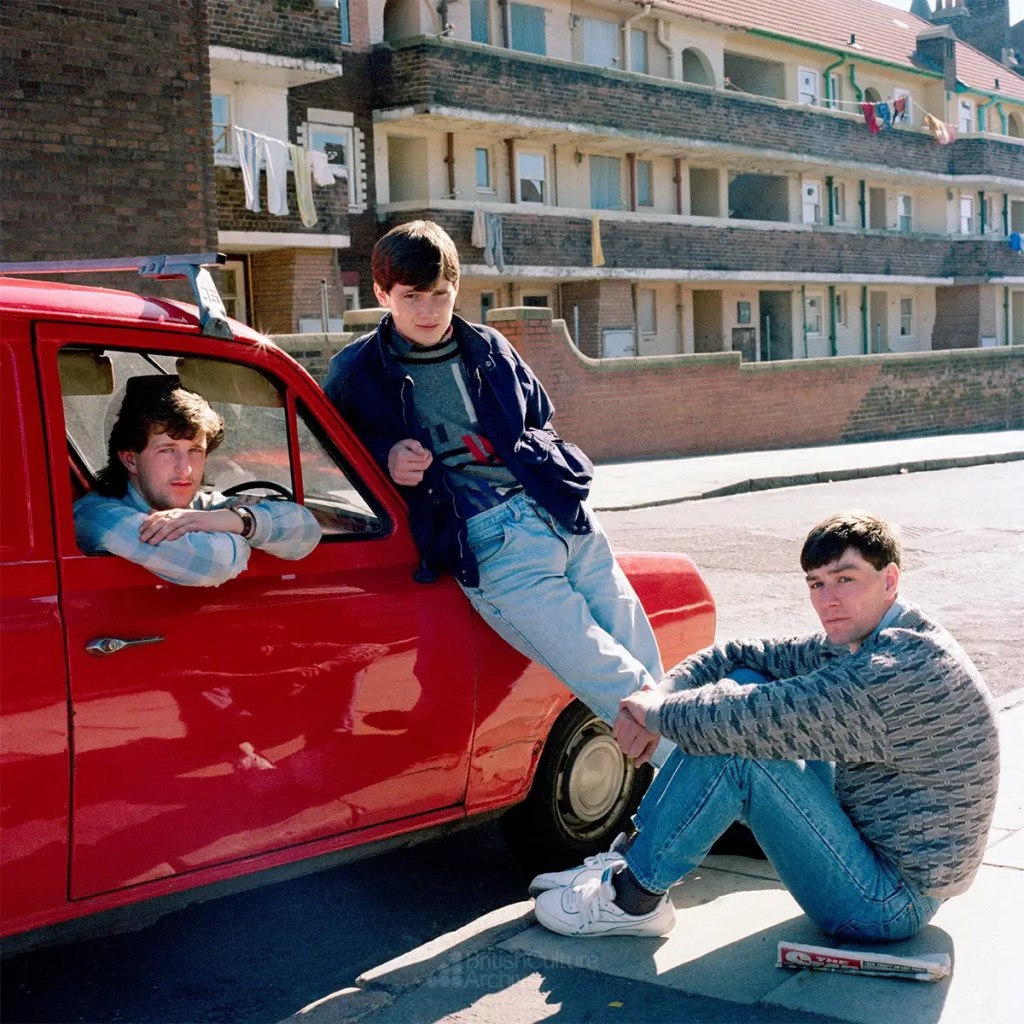
New article for British Culture Archive online now, talking about Rob Bremner’s highly-detailed medium-format photographs of Liverpool and Merseyside and how they capture the evolution of Scouse scally style – from golf jumpers and straight-legged Levi’s to Berghaus and beyond.
Cheers to Dave Hewitson and my old boss Nigel Lawson for their help and insight with this, and Paul Wright for letting me rattle on about photos and jackets and stuff.

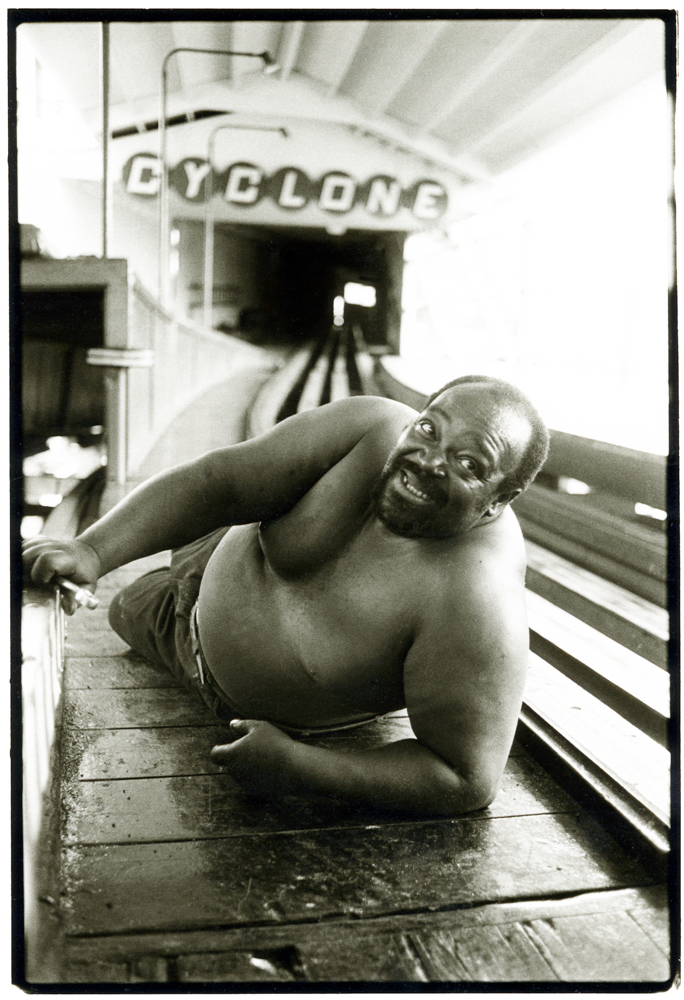
I like people who document things. Just living life is hard enough—but it takes someone fairly special to get through the rigours of the day whilst also taking the time to look around and capture all the stuff that’s going on around ‘em. Harvey Wang is one of these ‘documenters’—from his classic book Harvey Wang’s New York (a study of the small business owners that made up the real NYC) to his series on legendary photographers at work, this cat has spent the best part of 50 years taking photos, crafting books and making films on the world around him.
Here’s an interview with him about photos and films and stuff…
What have you been up to today? What’s a normal day like for Harvey Wang, photographer and film-maker.
I’ve been working (slowly) on two films–one about the artist Robert Mallary, who was one of the first artists to use a computer to create sculptures and works on paper starting in the early 1960s, and a film about the legendary Tulsa photographer Gaylord Oscar Herron. I have also been spending time placing my work in archives and museums. Over the years, I’ve done many projects and have various bodies of work that I hope will have a life after I am gone.
Woah—I didn’t know you were doing that Gaylord Herron film. I always feel like more people should know about his photos. How did the film come about?
In the mid 1980’s I discovered Herron’s book Vagabond. I was astounded by the book. I thought the photos were remarkable and the combination of autobiographical writing, paintings and his unique way of seeing, affected me greatly. I had never written a fan letter before, but sent one to Herron. Roughly 40 years later he responded to my letter. I was astounded once again–that he was still alive, living in Tulsa, and had reached out to me.
We had a phone call, a FaceTime conversation, and before you know it, I was on my way to meet the legend himself. I spent a few days in Tulsa, mostly in Herron’s home, interviewing him and learning what he did after publishing Vagabond. Back in NY, I started working with the footage, but Gaylord died unexpectedly in 2022 at age 80. I am currently editing the film.

What’s your process for making a film? Does it just start with an idea in your head? How do you work out what would work as a book, and what would be better as a film?
At the beginning of my film career, I made shorts for National Geographic about the subjects I was photographing for my book Holding On: Dreamers, Visionaries, Eccenrics and other American Heroes. One thing led to another, and I was soon pitching ideas to a public television show in NYC, and then moved on to directing TV commercials, first with Maysles Films (makers of Grey Gardens, and other classic documentaries). I had a chance to direct a feature film, The Last New Yorker, starring a cast of notable older actors. It received mixed reviews, but the film had lots of heart. After that experience, I decided to make a largely self-funded documentary, From Darkroom to Daylight, about the transition in photography from analog to digital. I’ve made tons of shorts, mostly for myself, about a variety of subjects.
What’s the reality of making films? I imagine getting a proper film produced is pretty hard work. How do you manage it?
Various ways, all of them difficult and expensive. Though modern cameras and editing software make lots of things possible without the need for much funding.
Going back, when did you start taking photos? What else were you up to growing up?
I started taking pictures in my early teens and got my first “real” camera when I was about 14 years old. It was a Nikkormat. I soon built a darkroom in the basement. From then on, I was rarely without my camera as I went about my life in Queens, NY. I was into typical things—bike riding, music, basketball, friends, exploring the city.

The finer things in life! You worked for the Village Voice when you were in your 20s. What was the day-to-day reality of working as a photographer for a weekly paper like that?
While in college, I wrote dozens of letters to newspaper photo editors. Fred W. McDarrah, the chief photographer and photo editor of the Village Voice was the only one who responded. He hired me to work with him on a book called Photography Marketplace at his home in Greenwich Village. I also accompanied him as he did assignments for the Voice around the city. I started pitching photo ideas and was soon publishing my work in the paper. It was a thrill to see folks on the subway reading the Village Voice, and seeing my photos out in the world. After college, I was hired by Fred to be an official Village Voice intern, which was a fantastic experience. By that time, the Voice had two amazing staff photographers—Sylvia Plachy and James Hamilton. They had vastly different styles, but were both fantastic, and I learned a lot from seeing their work every week. Being young and living in an affordable, impoverished New York offered great things to photograph at every turn. Artists, musicians and other creative people could afford to live in the city, and there was an outpouring of creative energy.
You took some amazing photos of Club 57 which is a legendary place that’s still talked about a lot now (at least in the stuff I read). What was special about this place? What was a night there like?
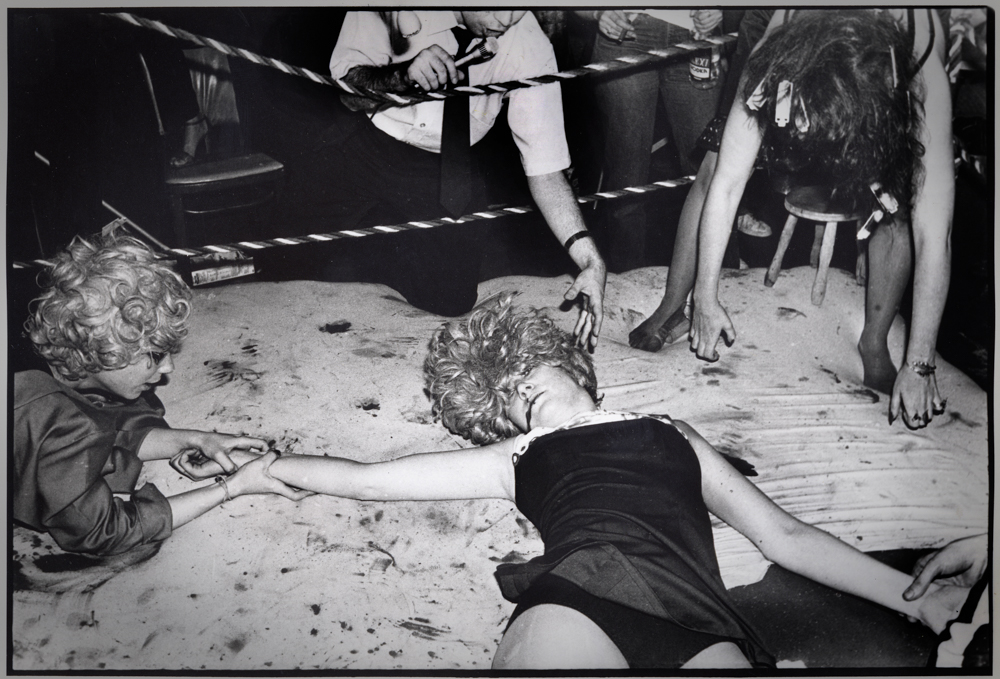
One of the places where the creative energy was most intense was Club 57, located in the basement of the Holy Cross Polish National Church on St. Marks Place in the East Village. Founded in the late 1970s, the club was a hangout for many artists, like Keith Haring, Klaus Nomi, Kenny Scharf, Frank Holliday, John Sex, Joey Arias, Lypsinka and Tseng Kwong Chi.
Every night offered a different theme. There was Lady Wrestling Night, Putt-Putt Reggae Night, Monster Movies, art exhibits, poetry readings and more. I was living in a Chinatown loft at the time with four roommates. One of them, Kai Eric, was dating Ann Magnuson, who ran the Club, which was how I ended up being one of the main documenters of the goings-on there. In 2017, the Museum of Modern Art mounted an exhibition “Club 57: Film, Performance, and Art in the East Village, 1978–1983”. My documentary work was featured, as well as a slideshow of work I created for an event called ‘Pictures You Can Dance To’.
I’m not sure if I’m right here, but it seems like a common theme with your photos is capturing something before it’s over… whether that’s a club or a person or a place or a photographic style. Do you almost feel a duty to do this?
My original photo heroes (August Sander, Walker Evans, Atget, Arbus, Frank) documented worlds that were on the verge of vanishing. I was drawn to the idea that photography was about preserving something–a time, place, a moment in life. I often had a feeling of nostalgia for what came before my time. I somehow valued the survivors more than the upstarts. To my detriment perhaps, I was often looking back and not forward. I was living in New York City, a place that has always been changing at a rapid pace. Since I was drawn to the holdouts and dreamers, I felt driven to preserve what I could with my camera.
I suppose that maybe brings us to your book, Harvey Wang’s New York, which is made up of portraits of bonafide New York characters. What was the process of making that book? Was it a case of just trying to hunt these people down and get a photograph of them?
I had been living in downtown New York, mostly biking between Chinatown and the East Village. I started to notice many small businesses closing. This was a function of gentrification and also the aging of the population in these neighborhoods.
I started to do portraits of business owners, tradesmen, craftsmen, religious leaders, neighbors. Jim Mairs, an editor at W.W. Norton saw my work and encouraged me to continue shooting and to broaden the project to include all of New York City.
I found subjects by exploring various parts of New York, asking friends, seeking leads in newspapers. I knew that certain trades and neighborhoods were rapidly changing, and I sought out subjects to represent these changes. For the most part, I was shooting older, humble New Yorkers who existed largely out of the limelight, but who had a story to tell. I shot the book over five years.
At the same time, I was trying to make a living as a photographer and also raise my daughter Sakira. Jim’s idea was to create a small affordable book. It was published in 1990 and has remained in print ever since. After the book was published, I was approached by a National Public Radio producer named David Isay, who did a radio documentary about the book. We hit it off, and worked together on a national version of the book. “Holding On: Dreamers, Visionaries, Eccentrics and other American Heroes” which was published in 1995. David and I did two other projects together. Most notably, “Flophouse: Life on the Bowery”, which was published in 2000.

I’ve been reading a lot of Ben Katchor comics lately which seem to be about a similar sort of person—those mysterious figures, jobs and businesses that lurk under the surface of a city. Do those things still exist in New York? Who would today’s version of ‘Harvey Wang’s New York’ feature?
I am a big fan of Katchor, and in fact, did a TV segment about his strip Julius Knipl: Real Estate Photographer for a public television show called City Arts on WNET. Like Katchor, I am a long-time New Yorker who appreciates the nooks and crannies of the city–the businesses on the 2nd floors of buildings at the end of the subway lines. I think these things will always exist here. The specific immigrant groups and neighborhoods may change, but New York is an ever-changing place with a constantly evolving cast of characters.
Portraits obviously take technical skill, but there’s more to ‘em than just knowing camera settings, and I imagine a lot of it comes down to making your subject feel comfortable. What’s your technique?
My kind of portraiture is all about making the subject comfortable. I try to be open, friendly, non-judgemental. Some photographers use confrontation and aggression to photograph on the street, often using people to make their own point about society. I prefer to connect with my subjects, to celebrate their humanity, and have them feel comfortable about opening up and sharing a part of themselves.

You’ve also done a lot of work documenting other photographers—capturing the working methods of countless legendary photographers. What made you want to focus on other photographers? Was it almost a case of honouring the culture?
I had made a film about the Buffalo, NY photographer Milton Rogovin in 2004. He was in his 90s and had largely retired from making pictures. Milton had done many important projects, but one I found particularly moving. It was a book called Triptychs, and contained a series of portraits taken at ten year intervals of impoverished residents of Buffalo’s Lower West Side. David Isay, the radio documentarian and I decided to assist Milton in making a fourth photo of each of his subjects. It was during that process that I videotaped him, and created the film, Milton Rogovin: The Forgotten Ones, which won Best Short Documentary at the Tribeca Film Festival.
A few years later, I found myself at a personal crossroads. My commercial directing career was affected by the economic meltdown. I started doing more still photography, now with digital cameras, but found the transition from analog uncomfortable. Photography for me had always been a physical medium. Using film, creating negatives, contact sheets and prints in a darkroom gave way to sitting in front of a computer moving jpegs around. I wondered if other photographers were having issues with the transition.

Since much of my work had been about change, it seemed obvious to pay attention to this change in my own profession. I sought out photographers on both sides of the digital divide, as well as the inventor of the digital camera (Steven Sasson) and the co-inventor of Photoshop (Thomas Knoll). I interviewed over 50 people including Sally Mann, Eugene Richards, Susan Meiseles, David Goldblatt, George Tice, Elliott Erwitt, and my mentor John Cohen. I did the project to help me figure out my own way forward, and to also document the practice and meaning of this evolutionary change.
What are your thoughts on that subject now? In England it feels like a lot of young people are using film at the moment—is it the same in the States?
Funny you should ask. I concluded my film with a voice-over stating that my way forward was to return to my roots in analog photography. But the truth is, I mostly use digital cameras, and enjoy using the computer for photo finishing. Digital has come a long way–the files can be massive and the quality is remarkable. It is easy to get perfect technique and beautiful results. I think that is what is driving young people to pick up film and analog techniques–to make something hand-made, and imperfect. To put their fingerprints on their work.
You still print in a darkroom don’t you? What is it about the process that keeps you going?
I maintain a darkroom, but mostly to print older negatives from my 50+ years of shooting film. It still gives me pleasure to mix the chemicals, and patiently wait for images to emerge in the developer. I enjoy the slower pace of darkroom work. The set-aside time to focus on something real.
Sort of a selfish question here, but do you have any tips for darkroom success? I struggle with consistency—where am I going wrong?
It helps if you can produce decent negatives consistently, and come to know your materials (film, paper, chemistry) very well. It is easier to print negatives that have some “meat on the bones.”

That makes sense. Final question, what makes a good photograph? What is it you’re looking for when you take a picture?
The answer to your question is hard to put into words, or into a thousand words. I love so many different kinds of photography-you just know when something touches you and ‘works’. What I am looking for is some connection to a person, place, moment or feeling.
See more of hARVEY’S WORK HERE.
INTERVIEW ORIGINALLY PUBLISHED IN ROMAN CANDLE ISSUE 2

Really don’t know what’s going on with this album but these grogged-out tracks have stayed in my head persistently for the last few months like a cold I can’t shift.





There’s a fine line between hoarder and archivist—but Brian Kelley just about sits in the second camp. From maps to discarded MetroCards, the New York photographer and collector may own a fair bit of ‘old tat’, but rather than stash it all away in shoeboxes gathering dust, he lets it out into the world.
Published by Standards Manual, the two part Parks series is a true treasure-trove of outdoor ephemera, displaying Kelley’s extensive collection of National Park Service maps and brochures—documenting not just the visual history of the US National Park Service, but the evolution of graphic design and the printed page across the 20th century.
His Gathering Growth project applies the same thorough process to photography—as he lugs around a large-format camera into ancient woodland on the endless search for the biggest and oldest trees in the United States. After all, if a tree grows really tall in the woods and no one is around to take high-quality photographs of it, is it even really that tall?
I talked to him about old maps, big ol’ trees and the buzz of going where no one has gone before for outsiders.
Spike Lee’s student film. This is great.

New article for Another Magazine online now, talking to Alain Levitt about life in 2000s New York and his new photo book from Japan’s Super Labo.
Recently liberated from storage, Alain’s freewheeling full colour shots crack open a window into the Big Apple at a time when graffiti, skateboarding, art, fashion, music, film and pretty much everything else mixed together in the seemingly endless night.
Full time job keeping up with this stuff.
Song of the summer.

I Recently had the pleasure of interviewing Roman Dial for the Outsiders website.
Not just an accomplished climber, mountaineer and skier, Roman was one of the first to see the value in the packraft in the early 1980s, crossing raging rivers with a basic inflatable dinghy to string together adventures that had never been thought of before.
The same goes for bicycles—and after realising the potential of mountain bikes in the late ‘80s he pedalled off the fire-roads and into the Alaskan wilderness with a few other brave souls to create ‘hellbiking’, the multi-day off-piste slog-fest which blazed a rocky trail for the bikepacking of today.
This is maybe the longest interview I’ve ever done, and maybe also one of the best. Read it here…



 Roman Candle Magazine